

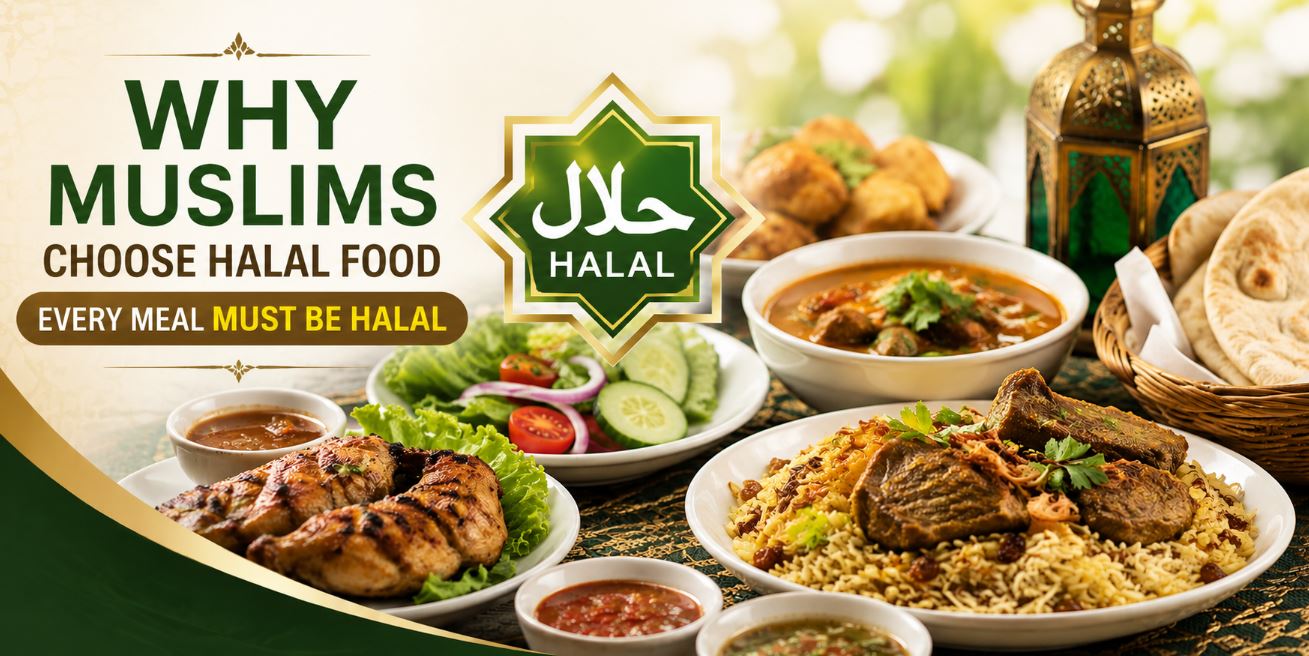
For Muslims, “food” is not simply something consumed to satisfy hunger or provide nutrition. Food is also closely connected to religious beliefs and practices. Foods and beverages consumed by Muslims must be permissible according to Islamic principles, which is known as “Halal.”
That is why many food products in Thailand display the Halal certification mark, helping Muslim consumers choose products with greater confidence.
What Does Halal Mean?
The word Halal comes from Arabic and means something that is permitted or lawful according to Islamic principles.
When it comes to food, Halal does not only concern what ingredients are used. It can also cover the production process, preparation, storage, and measures taken to prevent contamination with non-Halal substances.
In Thailand, Halal certification is used to confirm that products or ingredients comply with Islamic requirements. Certified products can display the authorized Halal mark on their packaging or in advertising.
Why Do Muslims Need to Eat Halal Food?
1. It Is Part of Islamic Religious Practice
The most important reason is that choosing Halal food is part of living according to Islamic teachings.
Muslims therefore pay attention to whether the food and beverages they consume are permissible under Islam. Choosing Halal food is not simply a matter of health or cleanliness—it is directly connected to religious beliefs and practices.
2. To Avoid Prohibited Ingredients
Certain foods and ingredients are prohibited under Islamic principles. One well-known example is pork and pork-derived products. There are also other ingredients or substances whose sources must be considered carefully to determine whether they comply with Halal requirements.
The production process is also important. Even if a product does not directly contain prohibited ingredients, contamination with non-Halal substances during manufacturing may affect its Halal status.
3. It Makes Food Choices Easier and More Reliable
Modern processed foods can contain many different ingredients, and consumers may not always be able to determine the origin or production process of every ingredient themselves.
A certified Halal mark therefore provides an additional level of confidence. The certification process considers not only the ingredients but also relevant production and handling procedures.
Why Is the Halal Certification Mark Important?
The Halal mark serves as an important tool when purchasing food and beverages, particularly for Muslim consumers.
It helps consumers identify products that have undergone assessment according to relevant Islamic requirements. This makes it easier for Muslims to select products that fit their religious practices.
For manufacturers, Halal certification can also be important because it allows products to reach Muslim consumers both in Thailand and international markets.
Halal Is Not Limited to Meat
Some people may think that Halal only applies to meat products such as chicken or beef. In reality, many other products can also be subject to Halal certification, including beverages, sauces, desserts, processed foods, syrups, and food ingredients.
For example, syrup products may not contain meat at all, but they can still undergo Halal certification because their ingredients, sources, and manufacturing processes need to comply with Halal requirements.
This is particularly relevant to products such as sugar-free syrup and stevia syrup, which are commonly used in beverages, desserts, and other food products.
Halal and Consumer Confidence
Consumers should look for the Halal certification mark and certification information on product packaging, especially when purchasing food or beverages where religious compliance is important.
It is not enough to simply assume that a product is Halal because it contains no pork or meat. Halal status can also depend on other ingredients, sources, manufacturing processes, and the possibility of cross-contamination.
For this reason, official Halal certification plays an important role in giving Muslim consumers greater confidence when choosing products.
Seasun Stevia Syrup Also Has Halal Certification
For consumers looking for stevia syrup or sugar-free syrup, Seasun Stevia Syrup is another option with Halal certification.
Seasun states that its syrup products are made with key ingredients such as Stevia, Erythritol, and Inulin, and the brand states that its products comply with standards including GHPs, HACCP, and Halal requirements.
Several Seasun syrup products can also be found in Thailand’s Halal product information database. For example, Salted Caramel Flavored Concentrated Syrup under the Seasun brand has a Halal certification number and an active certification status.
This means Muslim consumers looking for a syrup to use in beverages, desserts, or other recipes can consider Seasun Stevia Syrup as an option with Halal certification support.
Conclusion
Halal is more than just a symbol on food packaging. It is an important part of Islamic religious practice and the daily lives of Muslims. Halal certification helps provide confidence that food and food products comply with relevant Islamic requirements.
For manufacturers, Halal certification can also strengthen consumer confidence and create opportunities to reach Muslim consumers in Thailand and around the world.
For those looking for sugar-free stevia syrup with Halal certification, Seasun Stevia Syrup is an interesting option, with several products carrying Halal certification that can be checked through the relevant certification databases.
