


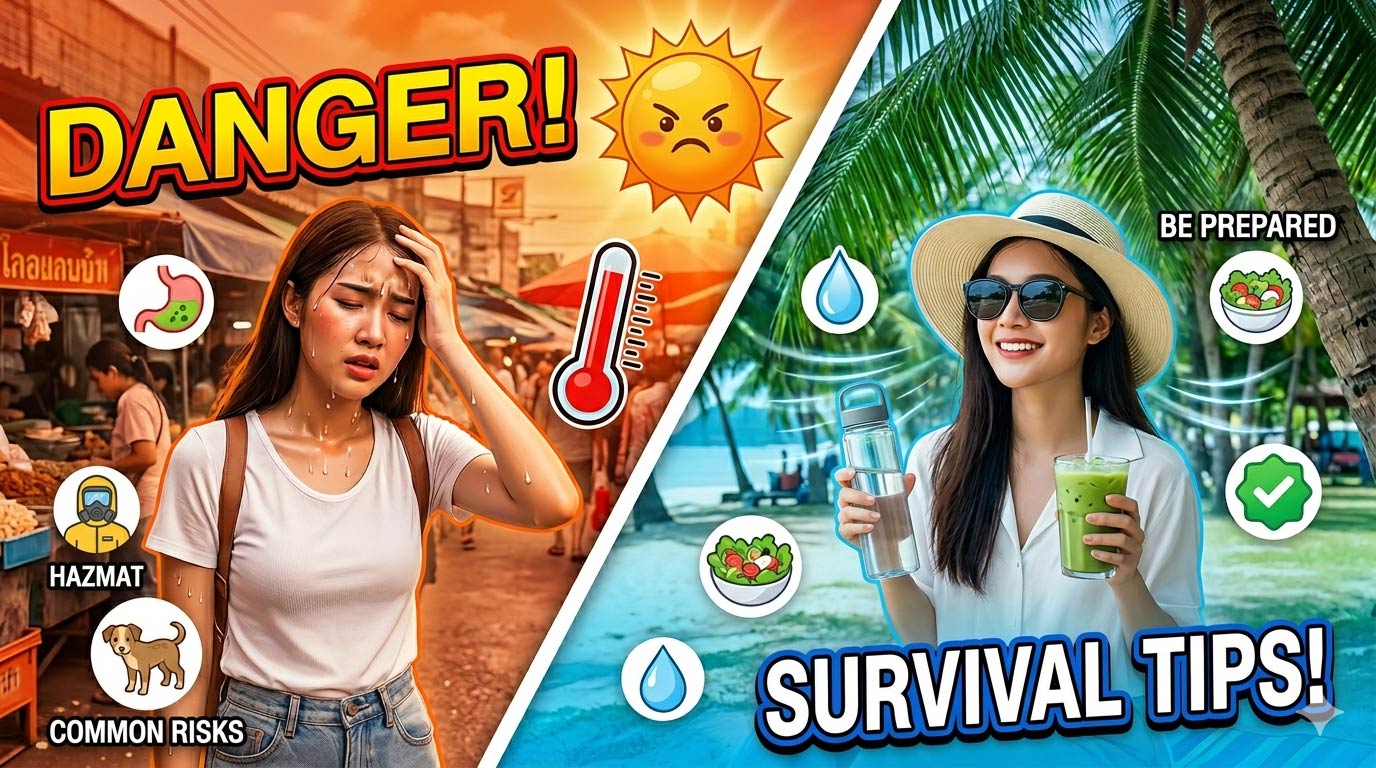
As temperatures rise, the risk of heat-related illnesses and seasonal infections increases significantly. High heat doesn’t just cause discomfort; it can pose serious risks to your physical and mental well-being. Here is a breakdown of the key health concerns this season and how to stay safe.
1. Heat-Related Illnesses
When the body cannot cool itself down efficiently, it can lead to several dangerous conditions:
-
Heatstroke: This is a medical emergency. It occurs when the body temperature rises above 40°C. Symptoms include hot, dry skin (no sweating), a rapid pulse, confusion, and potential loss of consciousness.
-
Heat Exhaustion: Characterized by heavy sweating, dizziness, headache, and pale, cool skin. If left untreated, this can quickly escalate to heatstroke.
-
Heat Rash: Caused by clogged sweat ducts, resulting in small red clusters or blisters that cause intense itching.
2. Digestive and Water-Borne Diseases
Bacteria thrive in warm environments, causing food to spoil much faster than usual.
-
Food Poisoning: Common symptoms include nausea, vomiting, abdominal cramps, and fever.
-
Diarrhea: Usually caused by consuming contaminated water or food.
-
Cholera: Though less common, it remains a risk when consuming raw or undercooked seafood and unhygienic street food.
3. Other Seasonal Risks
-
Rabies: Pets and stray animals can become more irritable in extreme heat. Ensure your pets are vaccinated and avoid approaching unfamiliar animals that appear distressed.
-
Heat-Induced Stress: Extreme temperatures can impact your mental state, leading to irritability, anxiety, and poor sleep quality.
Essential Prevention and Self-Care Tips
To maintain peak health during the summer months, consider adopting these habits:
-
Prioritize Hydration: Drink plenty of water throughout the day without waiting until you feel thirsty. For those watching their nutrition, opt for sugar-free electrolyte drinks or natural options like coconut water.
-
Strategic Sun Avoidance: Limit outdoor activities between 10:00 AM and 4:00 PM, when UV radiation and heat levels are at their peak.
-
Practice Food Safety: Follow the “Cooked, Clean, and Fresh” rule. Always wash your hands before meals and ensure food is freshly prepared.
-
Optimize Your Wardrobe: Wear lightweight, light-colored, and breathable fabrics (such as cotton or linen) to help your body regulate its temperature.
-
Nutritional Support: Incorporating antioxidant-rich foods or refreshing options like iced Matcha can provide a natural energy boost without the “crash” associated with high-sugar beverages.
